
 EN
EN
 AR
AR
 BG
BG
 HR
HR
 NL
NL
 FR
FR
 DE
DE
 EL
EL
 HI
HI
 IT
IT
 KO
KO
 PL
PL
 PT
PT
 RO
RO
 RU
RU
 ES
ES
 TL
TL
 IW
IW
 ID
ID
 LV
LV
 LT
LT
 SR
SR
 SL
SL
 UK
UK
 VI
VI
 HU
HU
 MT
MT
 TH
TH
 TR
TR
 AF
AF
 MK
MK
 HY
HY
 AZ
AZ
 UR
UR
 BN
BN
 LA
LA
 NE
NE
 MY
MY
 KK
KK
 UZ
UZ

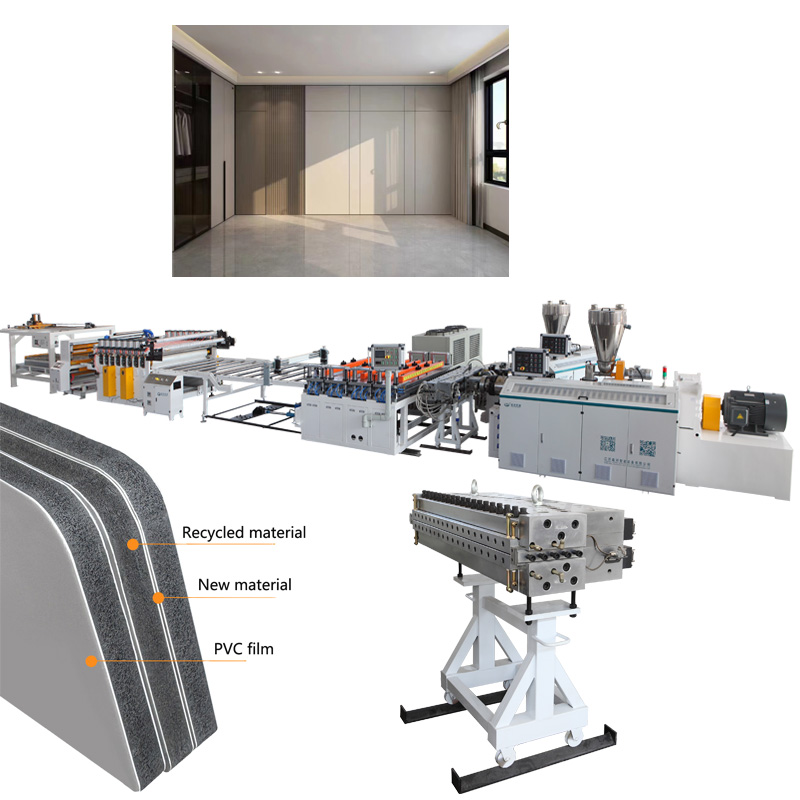
У бізнесі з екструзії пластмас адаптивність виробничої лінії є одним із важливих аспектів, які шукують виробники, особливо якщо вони хочуть розширити асортимент продукції без значних капіталовкладень. Тут, у компанії Jiangsu Xinhe Intelligent Equipment Co., Ltd., ми допомогли багатьом клієнтам модернізувати їхні стандартні виробничі лінії для пінополівінілхлоридних (ПВХ) плит для випуску двох популярних видів продукції з доданою вартістю — вуглецевих кристалічних плит та ударостійких плит. Принцип екструзії для цих плит не такий вже й відмінний від принципу екструзії ПВХ піноплит, однак формула суміші, налаштування шнека, матриці та системи охолодження потребують відповідної корекції. Наведений нижче посібник описує практичний підхід, заснований на польовому досвіді у багатьох країнах, зокрема у В’єтнамі, Індонезії та Єгипті.
Розуміння відмінностей у матеріалах
Піновий ПВХ-лист: виготовлюється за допомогою пінотворювача, що забезпечує пористу структуру серцевини. Вуглецево-кристалічний лист, як правило, має суцільну або трохи пінову структуру. З додаванням карбонату кальцію, вуглецевих матеріалів тощо він набуває високої жорсткості та гарної термічної стабільності, а його поверхня має дуже гладку й блискучу, схожу на мармурову, оздоблення. Лист із підвищеною ударною міцністю містить добавки, такі як акриловий модифікатор ударної міцності або хлорований поліетилен (CPE), щоб підвищити його в’язкість. У його серцевині може бути незначна піна з малими повітряними бульбашками, проте структура є щільнішою, ніж у пінового листа. Усі ці листи можна екструдувати за допомогою одного й того самого екструдера, але їхні склади повинні відрізнятися. Для вуглецево-кристалічного листа кількість наповнювача може досягати 50–60 частин на 100 частин смоли (phr). Для листа з підвищеною ударною міцністю кількість модифікаторів ударної міцності має бути на 30–50 % вищою, ніж у складі для пінового листа.
Налаштування конфігурації гвинта та циліндра
Гвинт є серцем процесу. Ступінь стиснення, яка підходить для загальної екструзії пінопластових плит ПВХ, може бути недостатньою для екструзії плит з вуглецевого кристалу через високий вміст наповнювача, що вимагає довшої зони змішування та більшої сили зсуву для повного розподілу. Зазвичай рекомендується двоступенева конструкція гвинта для змішування, як у випадку з обладнанням компанії Jiangsu Xinhe Intelligent Equipment Co., Ltd., особливо для плит з вуглецевого кристалу. Гвинт із помірною швидкістю зсуву, як правило, підходить для ударостійких плит, оскільки надмірна сила зсуву може призвести до деградації модифікаторів ударної стійкості; тому для ударостійкої суміші використовують більш збалансований гвинт. Температурний профіль циліндра слід підвищити для виробництва плит з вуглецевого кристалу, наприклад, до 180–200 °C, оскільки для високого вмісту наповнювача необхідний ефективний розподіл. Для ударостійких панелей температура нижча — приблизно 160–180 °C, щоб уникнути деградації матеріалу й забезпечити хороші ударостійкі властивості.
Модифікація матриці для отримання різних характеристик панелей
Зазор між губами матриці, а також довжина робочої ділянки визначають якість поверхні та розміри плити. Для вуглецевих кристалічних плит, які потребують блискучої поверхні, подібної до мармуру, потокові канали всередині матриці необхідно точно полірувати, а товщину губ матриці слід зробити регульованою, щоб досягти щільної, гладкої поверхні. Для ударостійких плит точність розмірів є пріоритетною, тоді як блиск поверхні має вторинне значення. Загальна конструкція матриці підходить для обох застосувань; однак для ударостійких композицій зазор між губами матриці слід трохи збільшити, щоб компенсувати зростання в’язкості розплаву. Збільшення зазору між губами матриці для ударостійких панелей на 10–15 % порівняно з пінопластовими плитами є загальноприйнятою практикою. Також необхідно забезпечити достатню довжину передньої робочої ділянки для створення зворотного тиску.
Переналаштування столу охолодження та формування
Для ПВХ-пінопластових плит зазвичай застосовується помірне охолодження, щоб забезпечити утворення та розширення пор. Однак для суцільних або слабко наповнених плит, таких як вуглецево-кристалічні плити, потрібне інтенсивне негайне охолодження після виходу з матриці, щоб забезпечити стабільні розміри й запобігти деформації (коробленню). Для цього можуть використовуватися додаткові системи розпилення води або роликові системи з охолоджувачами. Плити, стійкі до ударних навантажень, також вигідно охолоджувати швидко, однак, щоб запобігти внутрішнім напруженням через різницю в швидкостях охолодження, важливо забезпечити якомога більш рівномірне охолодження. Корисним є використання довшого охолоджувального столу з регульованою інтенсивністю охолодження для різних його ділянок, як це передбачено в наших сучасних екструзійних лініях. Перша зона охолодження вуглецево-кристалічних плит має мати температуру приблизно 10–15 °C, тоді як для плит, стійких до ударних навантажень, достатньо 20–25 °C.
Міркування щодо обладнання після екструдера
Інші параметри обробки, які будуть відрізнятися, — це метод різання та системи укладання. Плити з карбонового кристалу є твердішими і більш крихкими, тому для їх різання потрібна машина для різання без утворення стружки або високошвидкісна пилка з напійними пластинами з карбіду вольфраму. Стандартні системи різання, ймовірно, краще підходять для ударостійких панелей, оскільки вони міцніші й тому менше спричиняють знос лез. Системи укладання повинні бути регульованими для різних довжин, ширин і ваги. Тут, у компанії Jiangsu Xinhe Intelligent Equipment Co., Ltd., наші стандартні екструзійні лінії для ПВХ-пінопластових плит мають низхідні пристрої, які легко можна адаптувати для виробництва плит з карбонового кристалу або ударостійких плит.
Практичні поради щодо запуску лінії після переобладнання
Для переходу від пінопластової до вуглецево-кристалічної плити промийте екструдер очисними компаундами, підвищте температуру й працюйте приблизно з 50 % типової швидкості протягом 30 хвилин, контролюючи тиск розплаву та струм двигуна перед поверненням до типових параметрів для кінцевого продукту. Для ударостійких панелей температуру слід знизити. Перед остаточним налаштуванням параметрів виготовте пробний зразок довжиною щонайменше 10 метрів — це загальноприйнята практика при переході між різними продуктами.